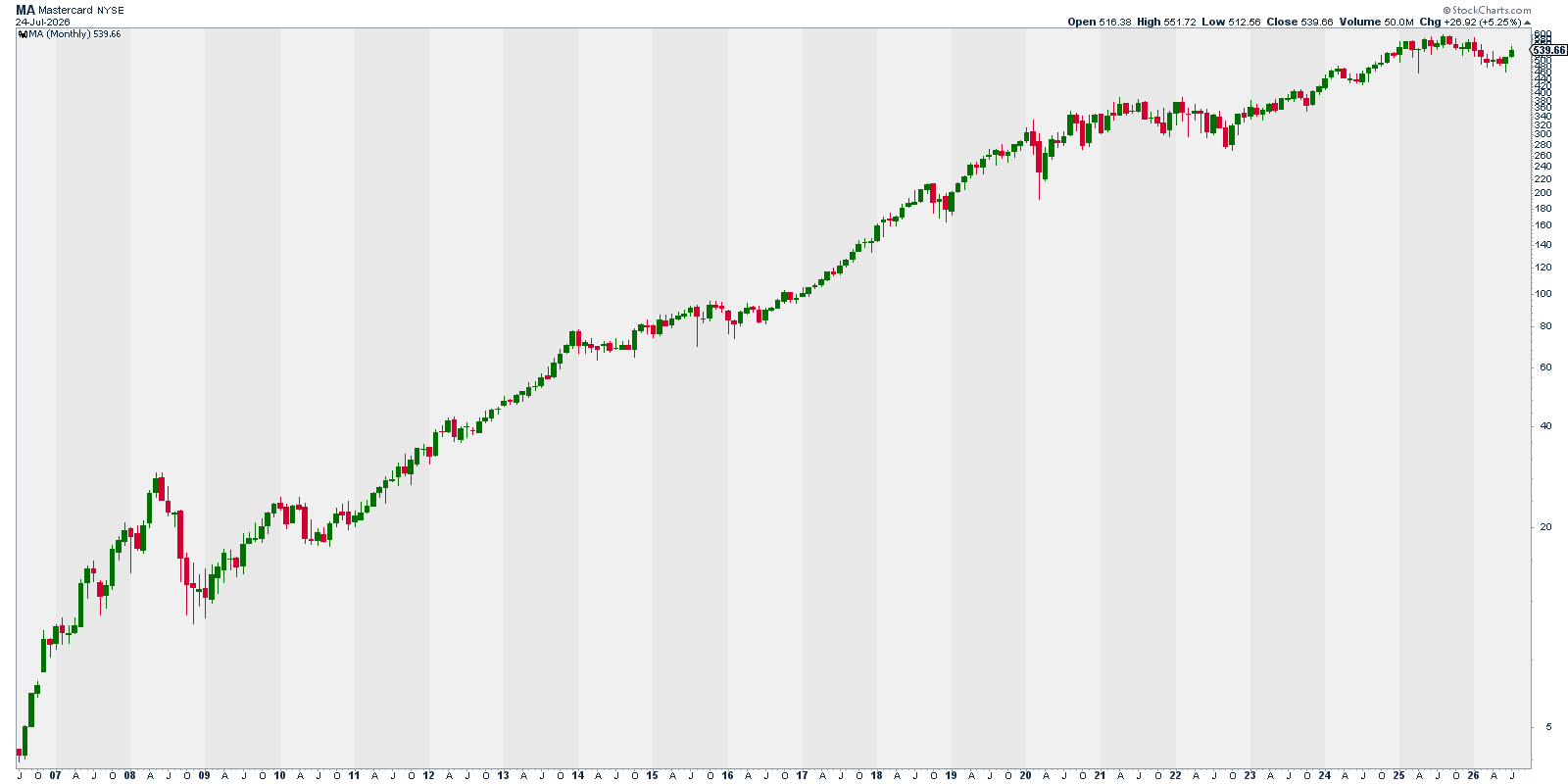
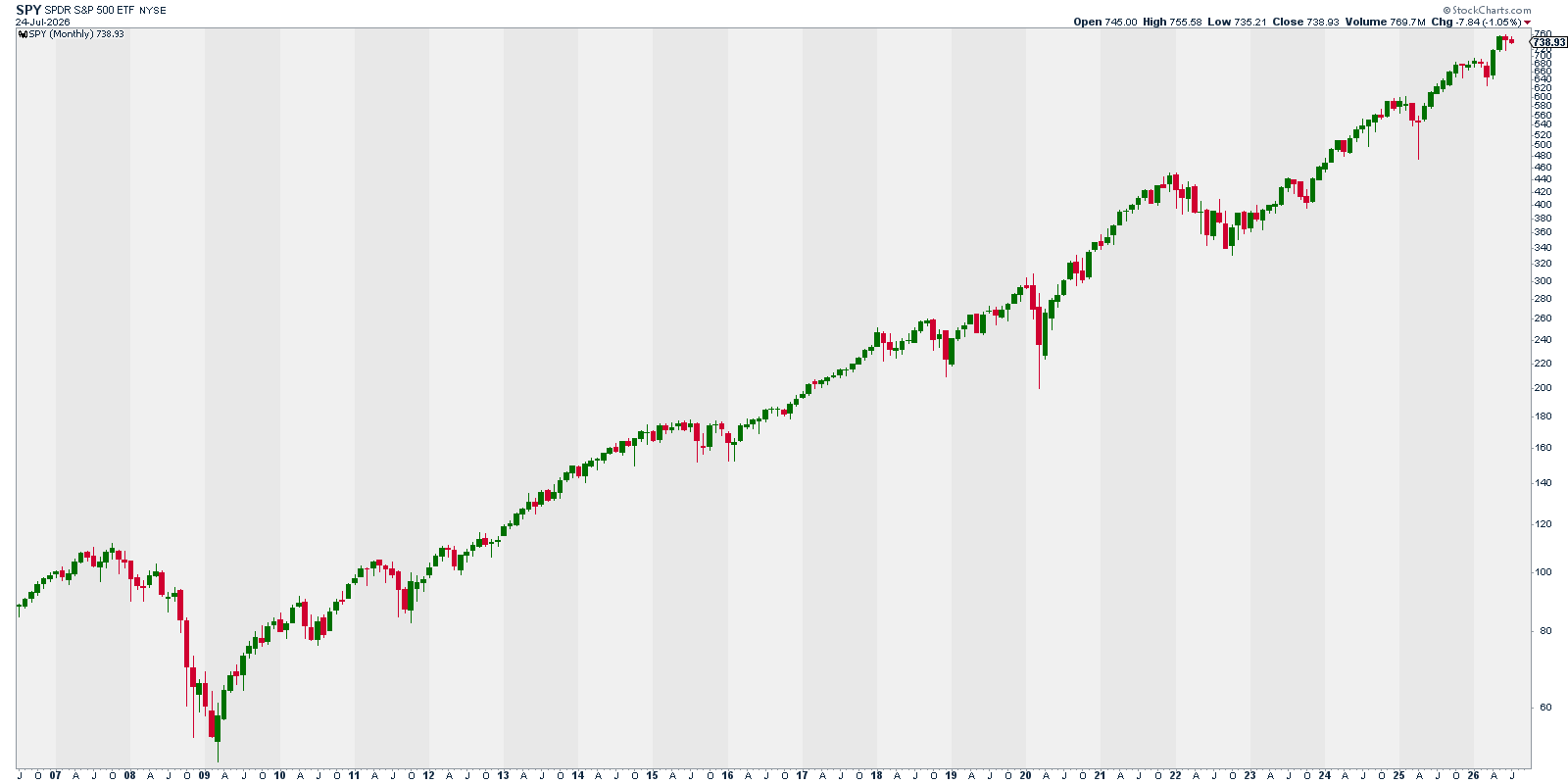
We call it the stock “market” and they tell you to “buy low and sell high”. Both of these are simply not correct. The exchanges are not markets and buying low is most probably a bad idea. Let me explain.
In a flea market, you hunt for bargains, cheap items that you later can sell higher. This scenario makes the assumption that you can eventually sell higher, and that is a big assumption. In occasions, these occurrences will materialize - like in a real flea market - and those traders who made it will brag about it, the press will give them airtime, and books will be written. Why? Because these occurrences are exceptional, extraordinary. They attract our attention due to their rarity. But, as traders, we want to make money in trading an ordinary affair, not an extra-ordinary occurrence. So, do not chase these flashy opportunities as you may end up betting in one-hundred bad horses only to hit a winning horse every now and then.
I prefer visualizing the exchanges as a relay race, where traders are constantly looking for the fastest runner between relay exchanges. Once the baton is passed to the next runner, traders need to reevaluate the racers all over again to find the next top performers, and so on. The race never ends. Some runners have great sprints and disappear forever, other racers form great teams where each member is average but makes the team a good performer overall, etc. You get the point.
Money is always chasing the maximum returns and favors the top performers. Once the narrative changes, the baton is passed over, money will move to the next exciting group of companies and ride them high until the narrative inevitably changes again.
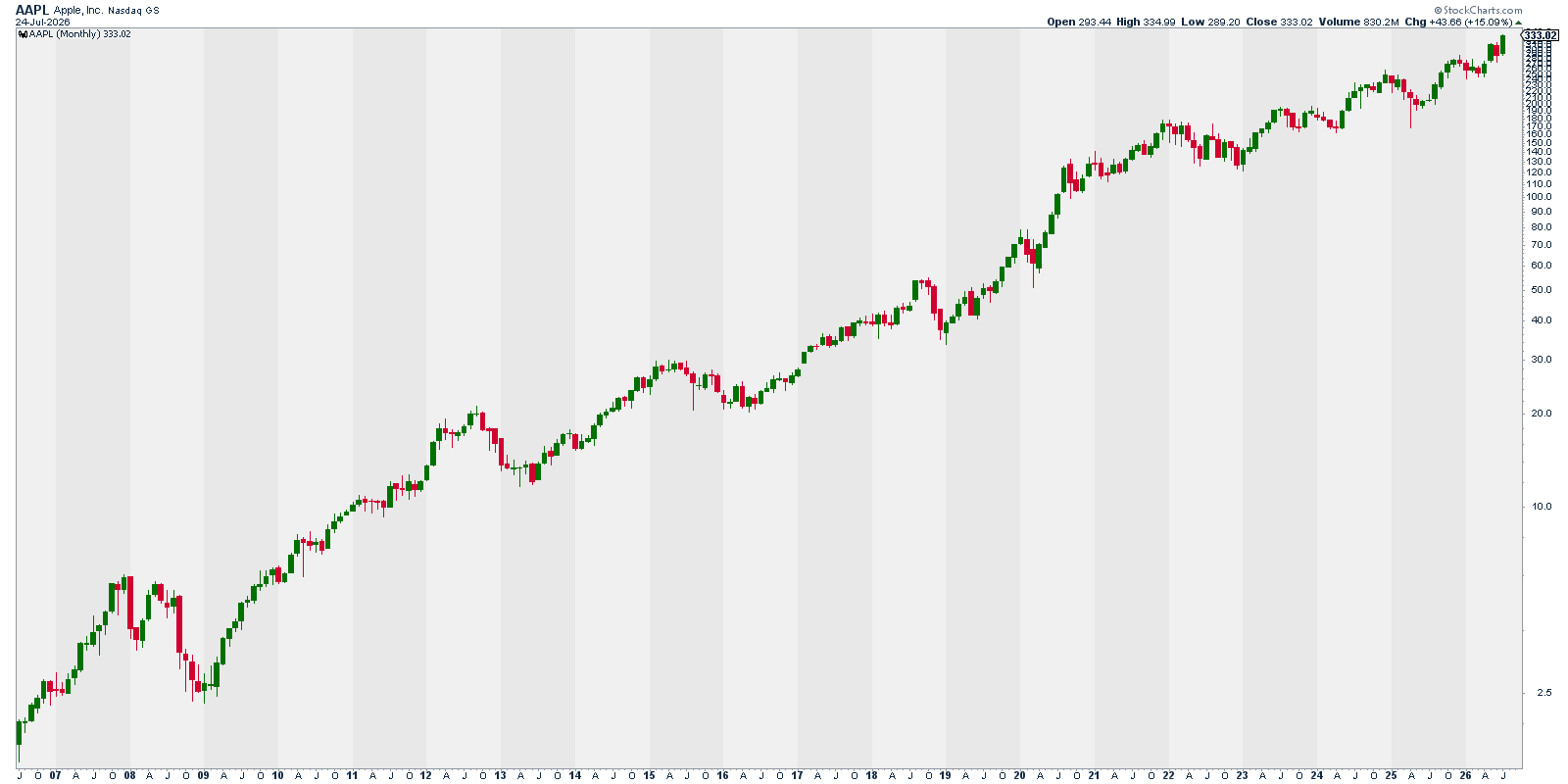
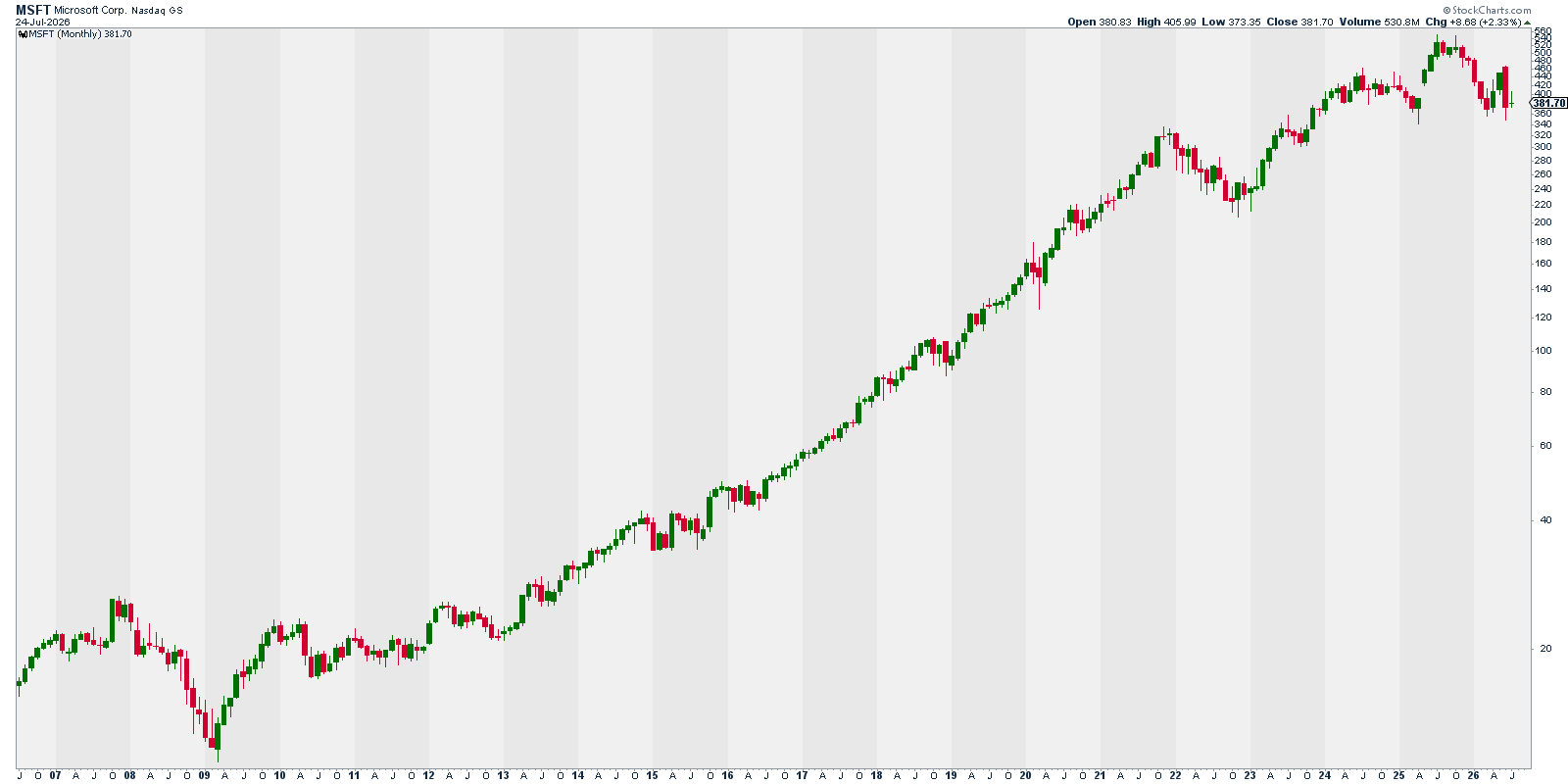
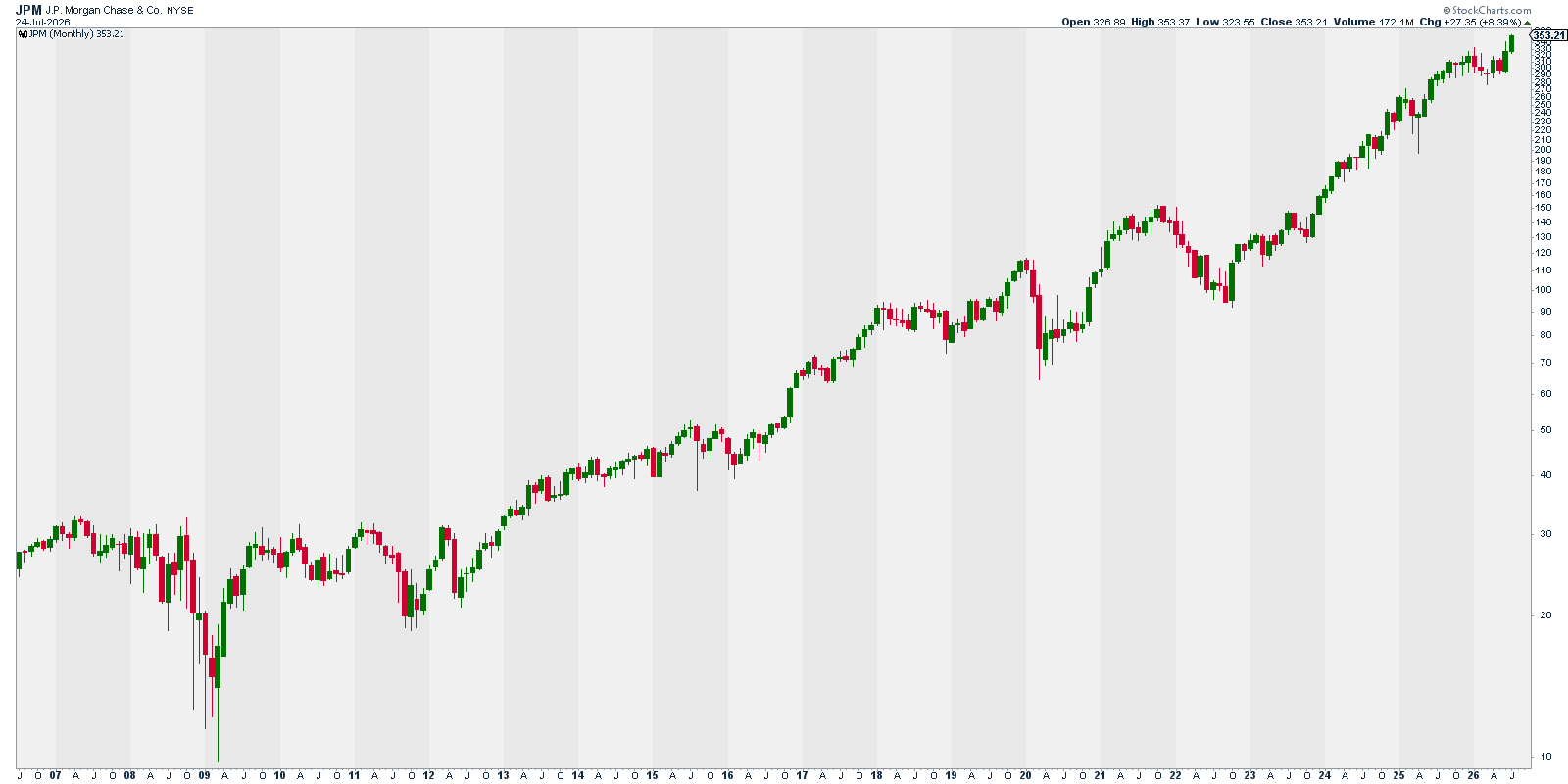
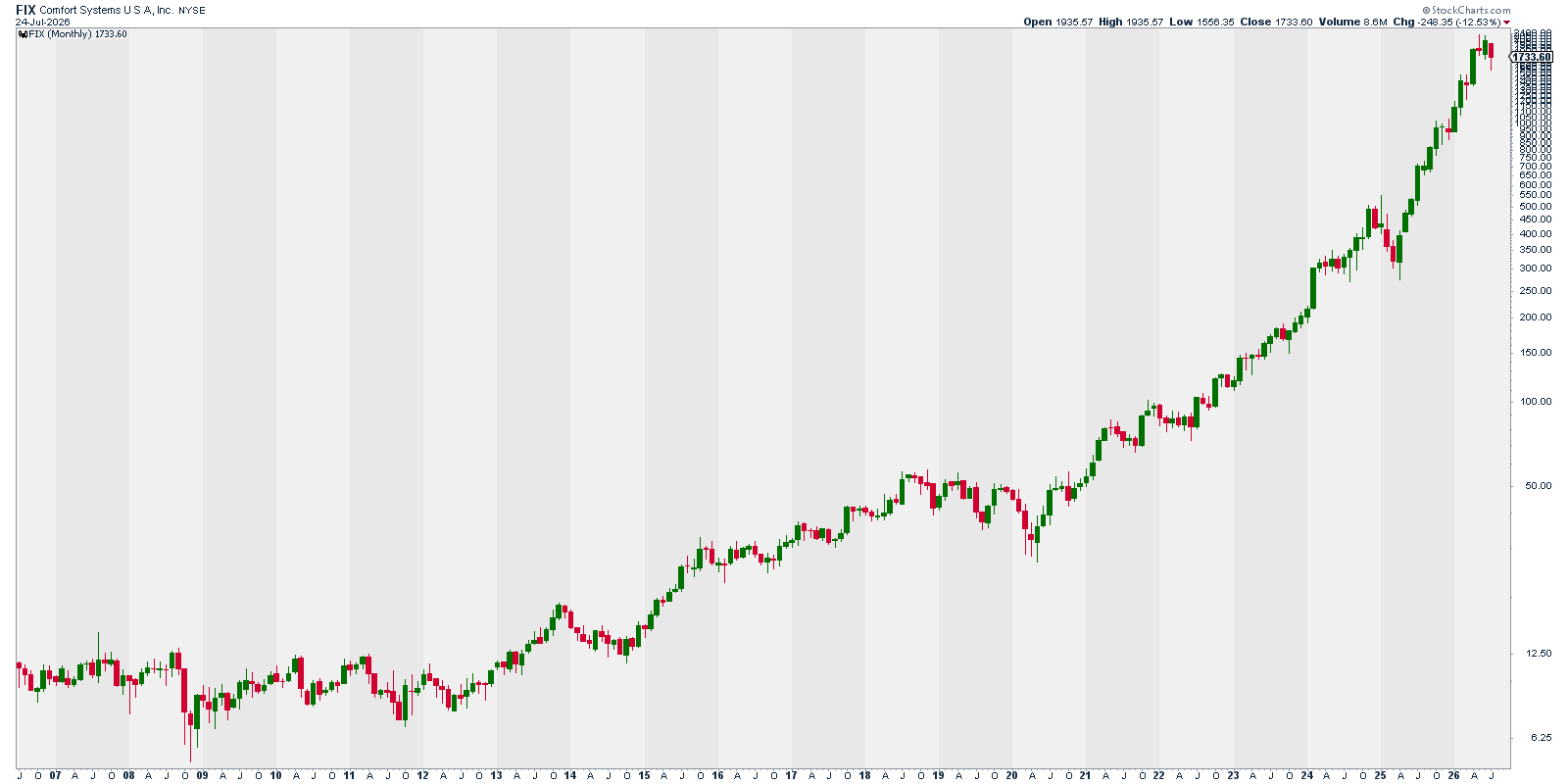
As a trader, you shall allocate your money to the top performers, ride the wave, and drop them once the narrative changes. You will identify top performers as those stocks that are making new highs and have the strongest relative performance (vs. the wide market, their sector, their industry, and peer companies). In other words, you shall “buy them high and sell them higher” before they drop behind new top performers.
The same methodology remains true if you think about the law of offer and demand. When a stock is low (or wrongly called cheap) it is because there is more offer (selling) than demand (buying). The big “market” players are selling the stock and they keep depressing the price as there is not much demand, with this strategy they keep sweetening the deal luring new gamblers buyers. But, when a stock breaks out to new highs, most probably is because there is not much offer (selling) available. Scarcity brings higher prices and the buyers are happy to pay higher prices for something that has low offer and high demand.
In both cases, the relay race and the law of offer and demand, we end up at the same conclusion, the secret of trading is “buy high and sell higher”. It is a secret because it is counterintuitive and only makes sense if you can extrapolate the passage of time and see that today’s high is tomorrow’s bargain price.
Appendix: Buy on Rational Analysis. Sell on Technical Analysis only.
Moving to the execution part of the secret of trading explained before, we focus on buying and selling strategies. When buying we will combine both Fundamental (story) and Technical (evidence) analysis in what we will call “Rational Analysis”. High quality companies with a promising future shall have a great story with growing sales, earnings, and cash flows. What they do is valued by customers. Additionally, for us to invest our money, we need to evaluate if this great company is also a great stock. The stock price, evaluated using different technical analysis methodologies for trend, momentum, volatility, volume, relative performance, and price patterns, shall return a good evidence of great performance. Combining both the story, driven by fundamentals, and the evidence, collected from technicals, we will form our rational analysis for our buying decision.
On the sell side though, we will only consider technicals (evidence). Fundamentals are intrinsically lagging indicators. A depreciating price is the indication that other traders, maybe with more information than us, are smelling that something is off with the company’s story. Once the story is publicly available, the majority of the damage is already in the price. You are too late. Technicals give you all the evidence that you need for your current open positions.
Finally, consider the “dis-information” machine that the media is. News are selling stories and creating noise and confusion. I recommend you to turn down the noise and simply follow your analysis and rules. Ignore promising stories with little evidence.