

Commodities portfolio
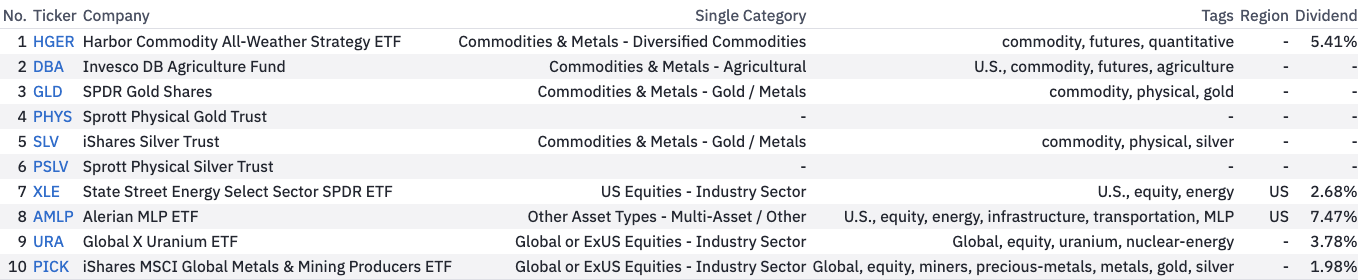
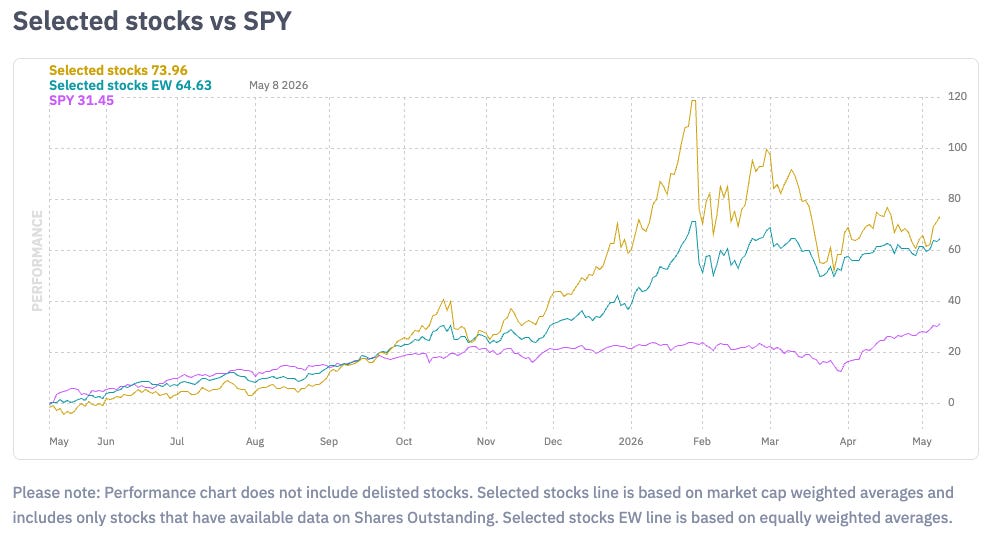
The commodities portfolio provide us exposure to agriculture, oil & gas, and metals.

HGER: Harbor Commodity All-Weather Strategy ETF
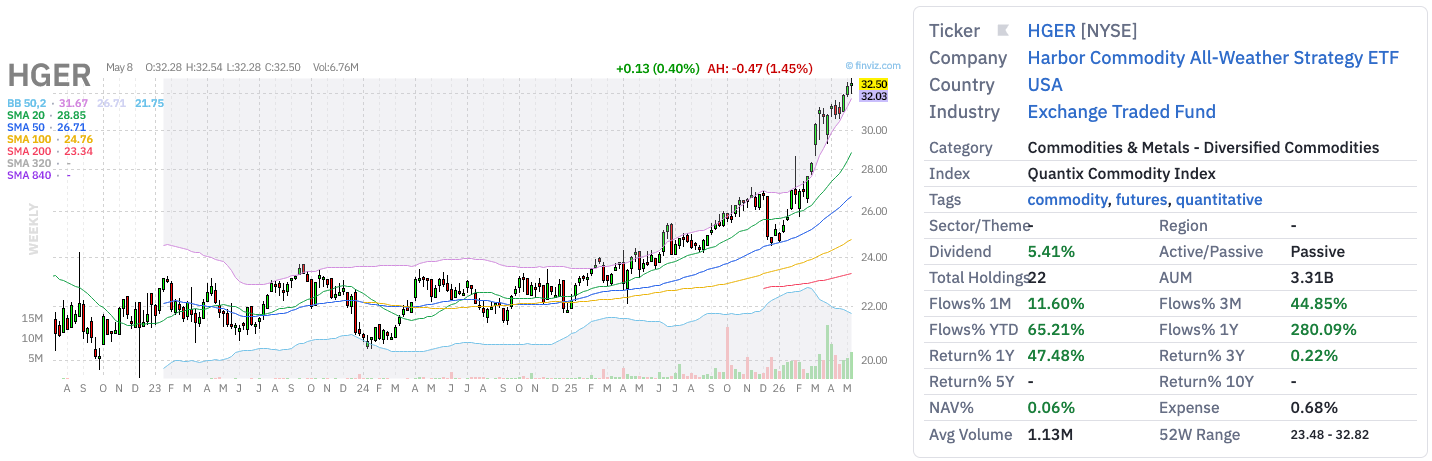
If you had to choose only one of these ETFs, go for HGER.
The Harbor Commodity All‑Weather Strategy ETF (HGER) seeks to provide investment results that closely correspond, before fees and expenses, to the performance of the Quantix Commodity Index.
Through a distinctive construction and exposure to a diversified basket of commodities, the Quantix Commodity Index (“QCI”) is designed to deliver a dynamic, all‑weather approach to commodity investing and outperformance to traditional commodity indices, particularly in inflationary environments.
QCI is comprised of commodity futures, which are distinct in their relationship to inflation and are generally regarded as having the highest positive correlation to inflation of all the major asset classes.
As part of its methodology, QCI considers the relative inflation sensitivity of each commodity, dynamically adjusts the weight of gold or other commodities based on the different market and inflationary regimes, and allocates to commodities with favorable roll yield dynamics. The Index is rebalanced on a quarterly basis.
HGER is offered as a 1940-Act ETF structure, eliminating the need for Schedule K-1 tax filing.
Source: https://www.harborcapital.com/etf/hger/
DBA holds 18 positions in the agriculture sector. Effective November 10, 2025, the Fund’s underlying index methodology has been updated. Updates include: an expanded commodity universe to include more eligible commodities based on liquidity and economic importance; the Optimum Yield approach was adjusted to remove contracts with limited liquidity; commodity weights are now reviewed annually using a rules-based process to align with global production and market liquidity; weight cap limits were added to reduce concentration in any single commodity or sector and additional rebalancing may occur during the year if large deviations are observed, helping maintain balanced exposure. (Source: https://www.invesco.com/us/en/financial-products/etfs/invesco-db-agriculture-fund.html)
With DBA you gain exposure to Live Cattle, Lean Hogs, Feeder Cattle, Soybean Oil and Meal, Coffee, Cooca, Wheat, and Cotton futures. Other holdings include Citigroup (bank), SentinelOne (software), and Wayfair (stores).
GLD and PHYS provide us with exposure to Gold. The differences between the two are:
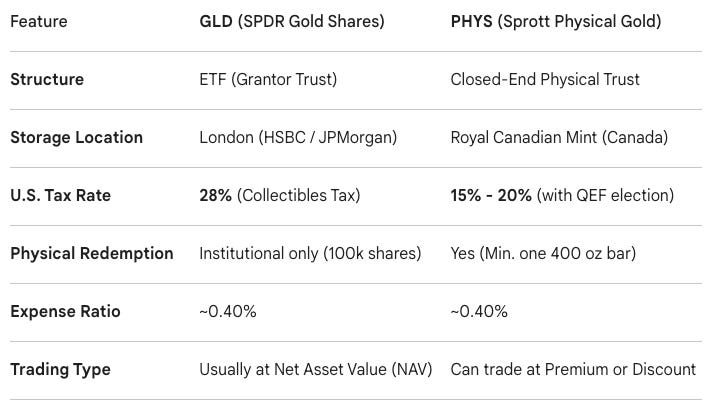
If you are an US investor that would like to hold large quantities of Gold, go for PHYS, as you can redeem the gold physically, provided you have enough for a full gold bar (400 oz, about $2M at current prices).
SLV and PSLV are the equivalent for Silver:
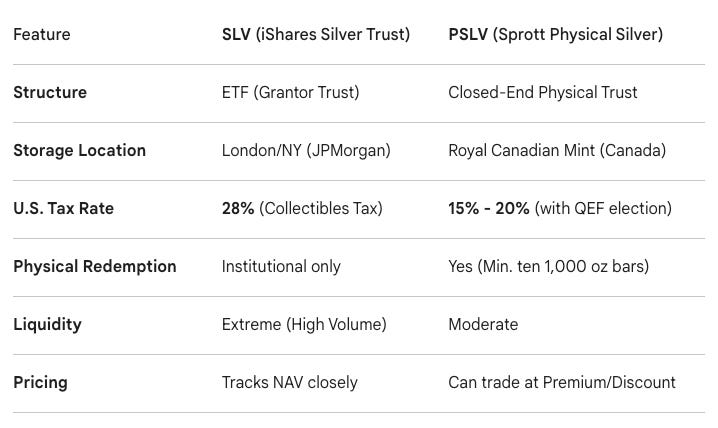
Both physical trusts own the metal directly, without a bank as an intermediary. If you want to guarantee that your money is backed by the real metal, then go for the physical ETFs and you avoid the “main in the middle” and the possibility of “paper gold/silver” dilution.
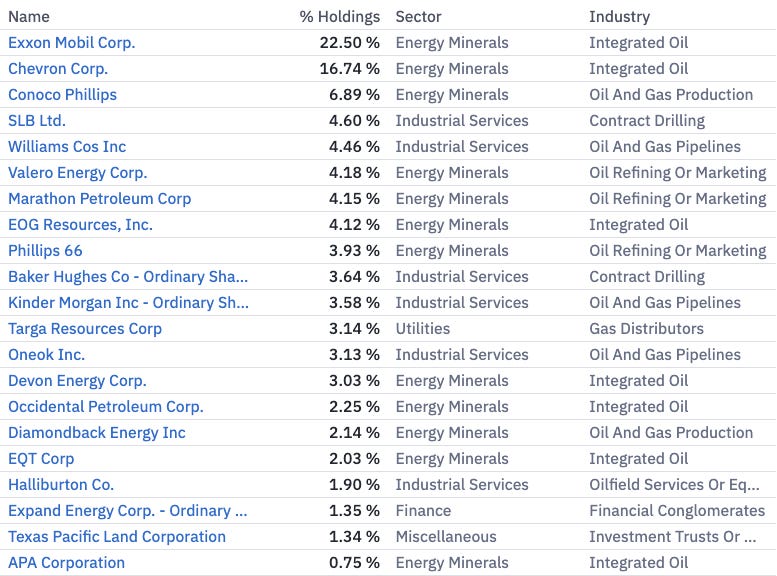
XLE holds the biggest oil & gas companies and other energy and industrial corporations. It provides a good exposure to fluctuating oil prices.
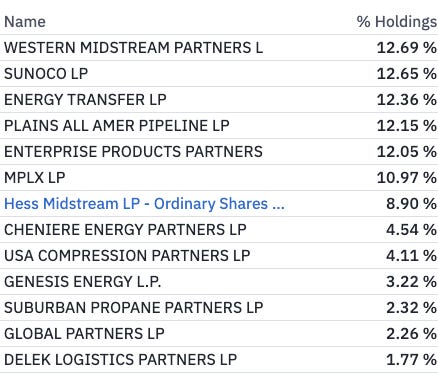
AMLP holdings are in the midstream (pipelines and storage), which normally experience less fluctuations on oil price changes. AMLP pays a great +7% dividend quarterly:
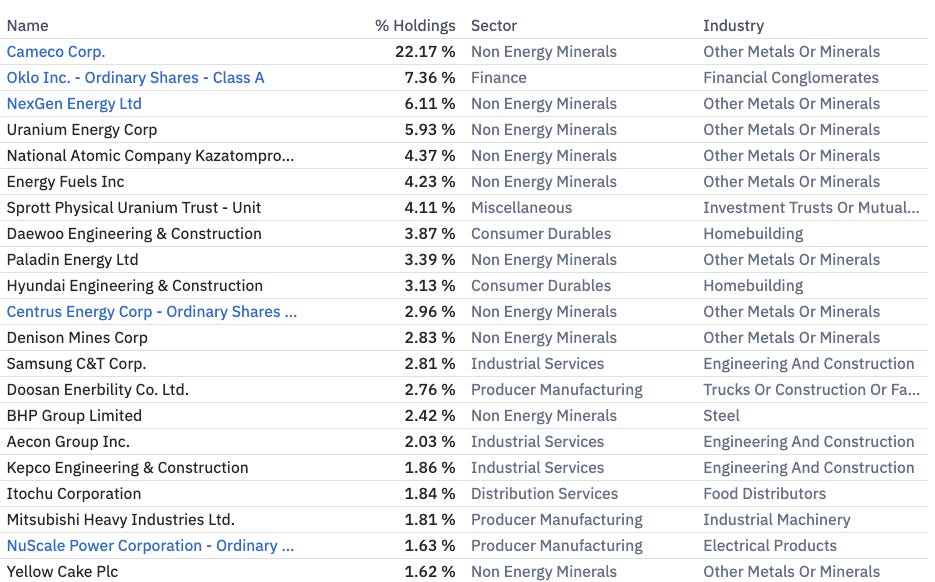
URA is our play in the nuclear future. In a single trade, URA delivers efficient access to a basket of companies involved in mining uranium and producing nuclear components. It holds 52 companies but it is heavily concentrated on Cameco and Oklo:
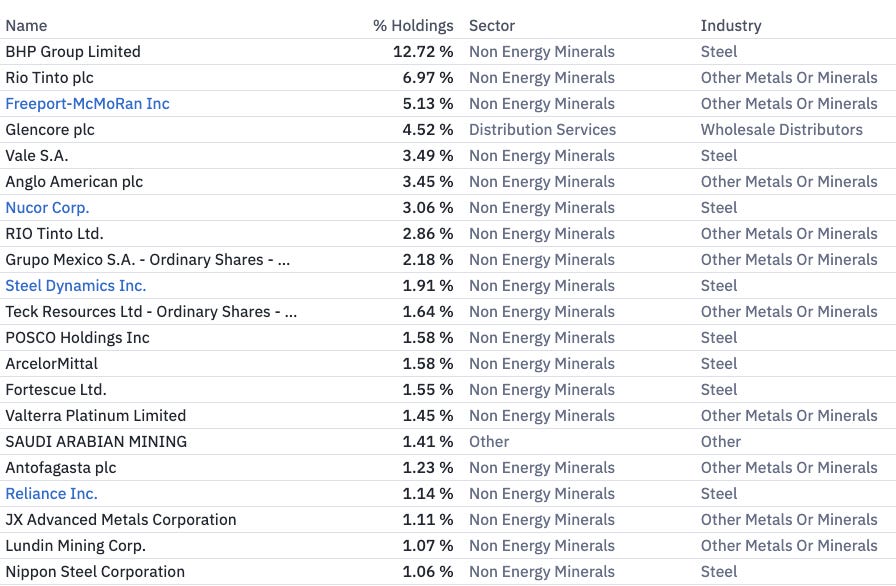
And our final PICK :) is for an ETF that give us exposure to companies around the world that are involved in the extraction and production of diversified metals, aluminum, steel, and precious metals and minerals (excluding gold and silver).
The World of Tomorrow portfolio
This portfolio contains an ETF for each theme that I think will be present and important in the near and mid-term future (between 5 to 15 years - 2030 to 2040):
Cybersecurity
Clean Energy
Humanoid Robots
Semiconductors
Space Economy
Quantum Computing
Biotech


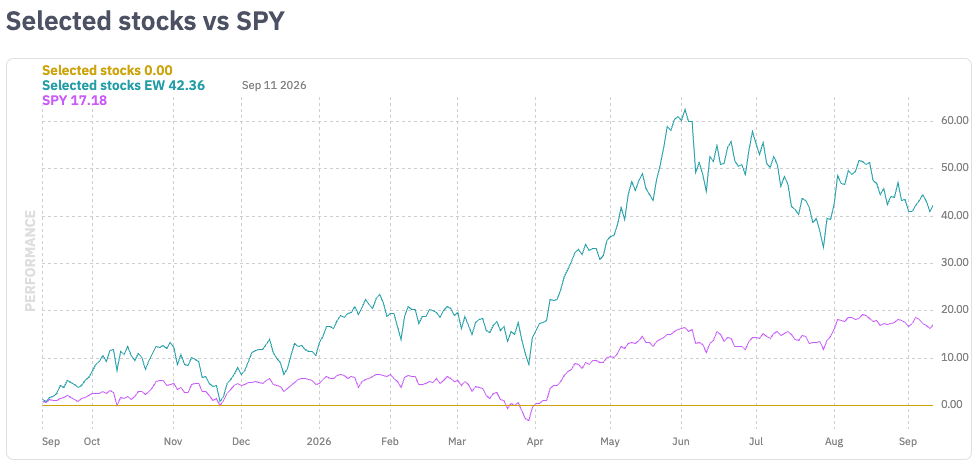
CIBR: First Trust NASDAQ Cybersecurity ETF
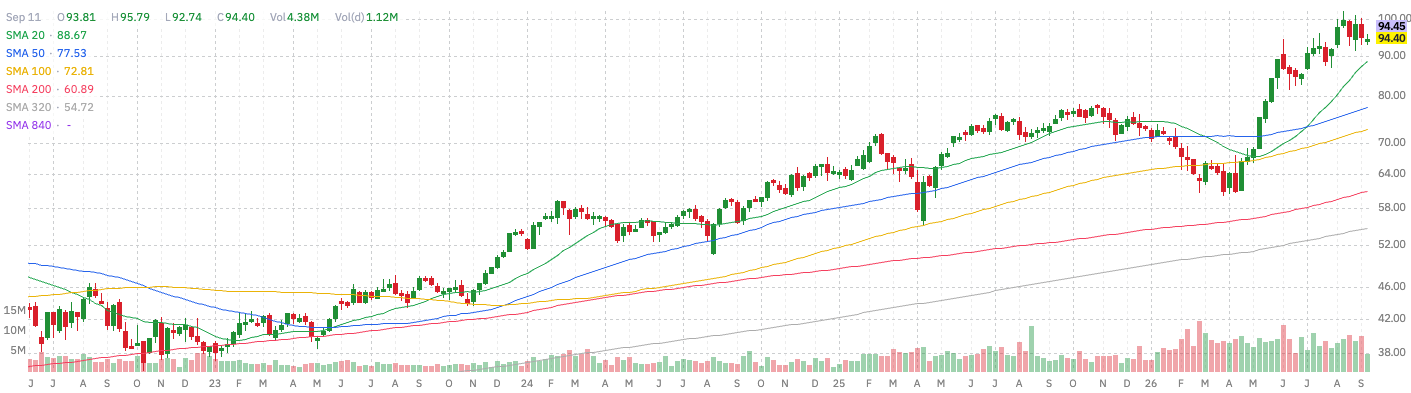
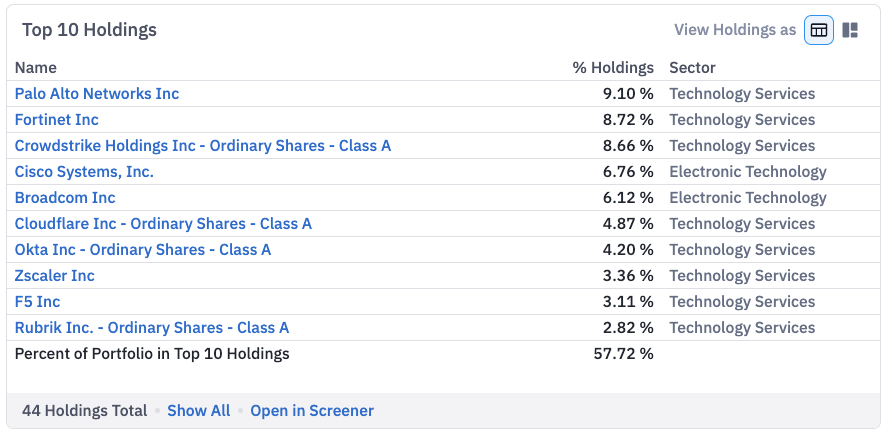
There is no CIO, CTO, Head of IT, etc. that would go to the board and say that they need to reduce their budget in cybersecurity. As companies rely more and more in cloud data centers for analytics, operations, marketing, B2B, B2C, AI, etc. the need for more complex and expensive cybersecurity platforms and solutions will only increase.
CIBR and HACK are good ETFs to participate in this industry with such a secure future :)
ICLN: iShares Global Clean Energy ETF
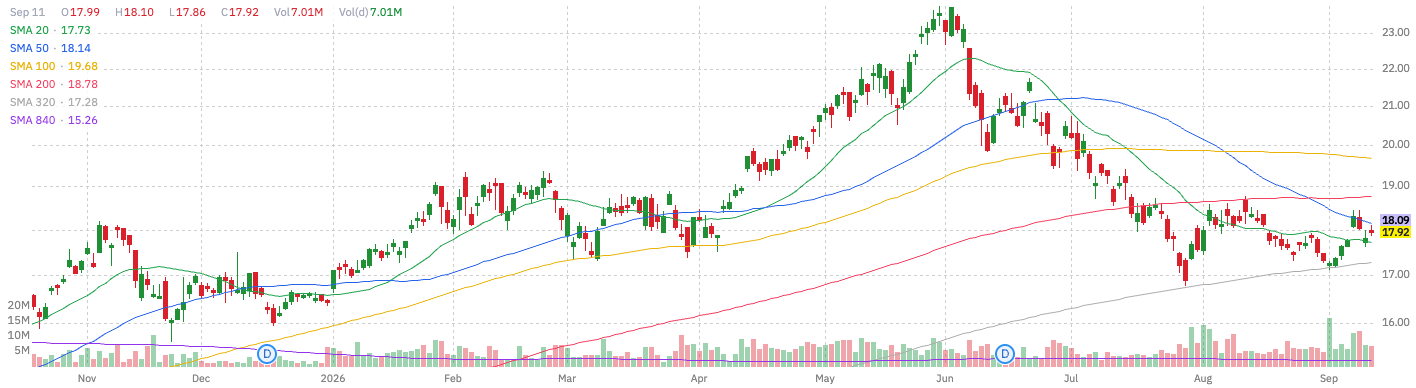
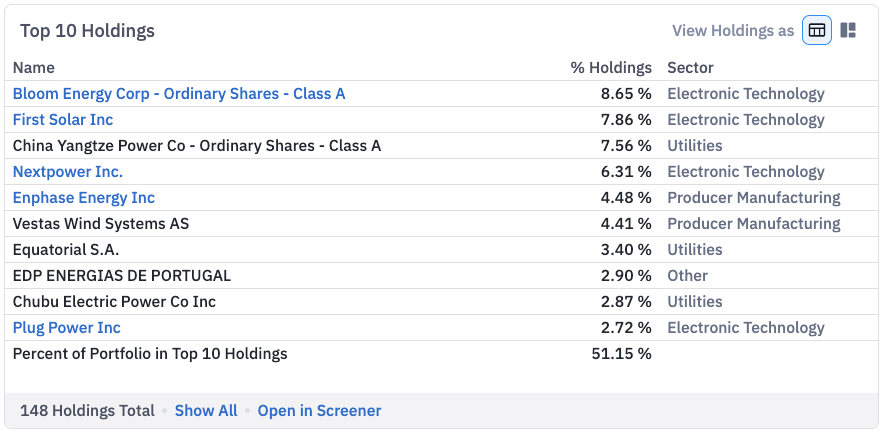
As the world adopts other sources of energy, cleaner and more sustainable, new companies will emerge and capture a higher share of the market. Recently, Bloom Energy (BE) was included in the S&P 500 index. This could serve us as an early sign of this energy sector importance.
KOID: KraneShares Global Humanoid Robotics and Physical AI Index ETF
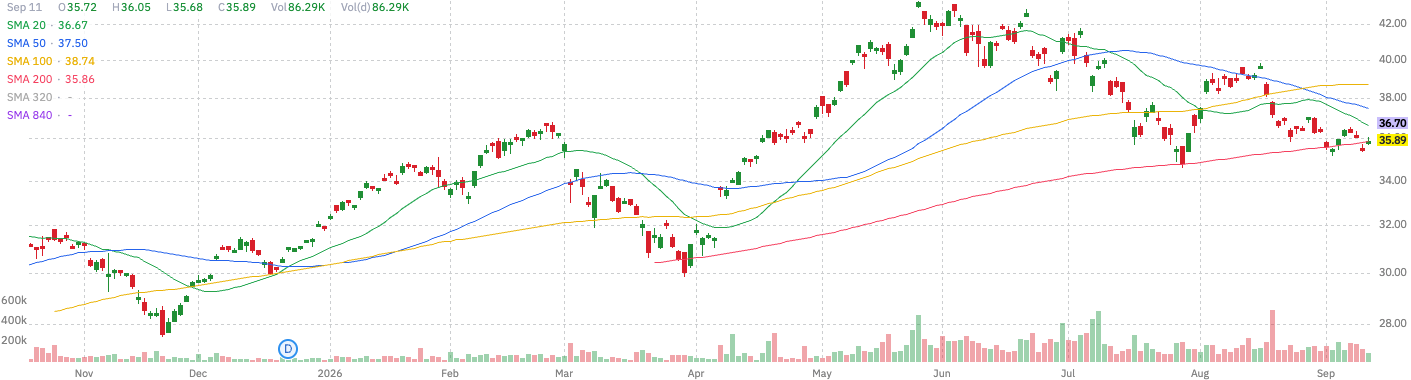
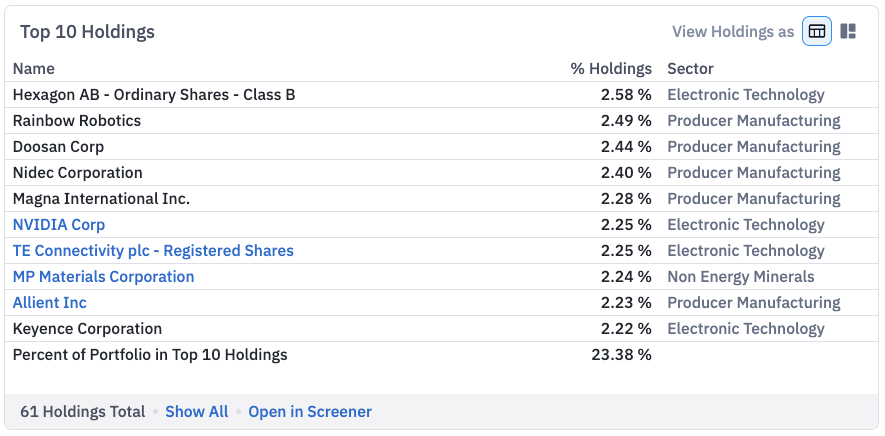
If you are like me, and think that humanoid robots will the next revolution and the definitive application of AI, then KOID is a great ETF to consider.
KOID is well diversified and does not give a lot of weight to NVIDIA or other companies that could be more impacted in the AI trade. The only company missing, so far, is Tesla. Once Tesla starts commercializing the Optimus robot, I will check if KOID has included it in the portfolio.
Alternative ETFs could be BOTT and BOTZ.
SOXX: iShares Semiconductor ETF
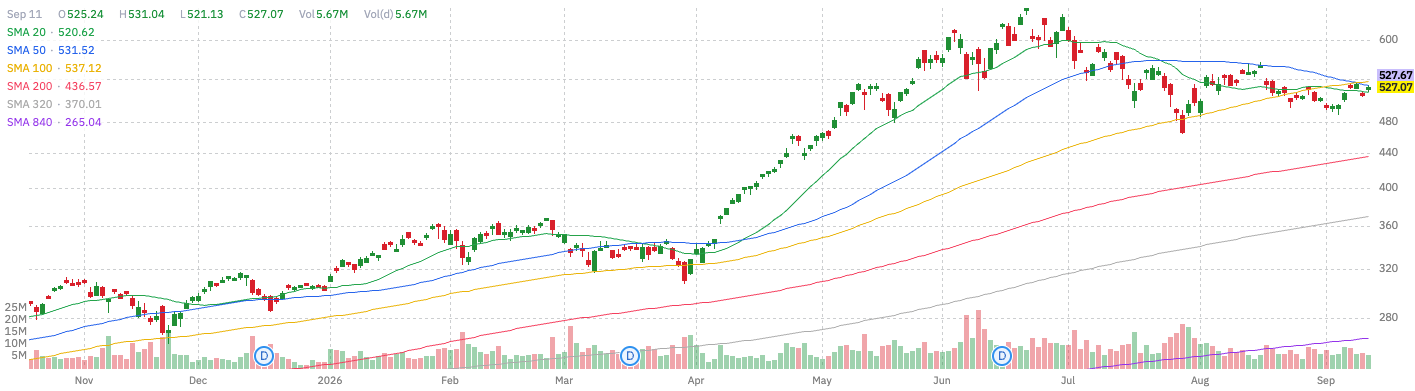
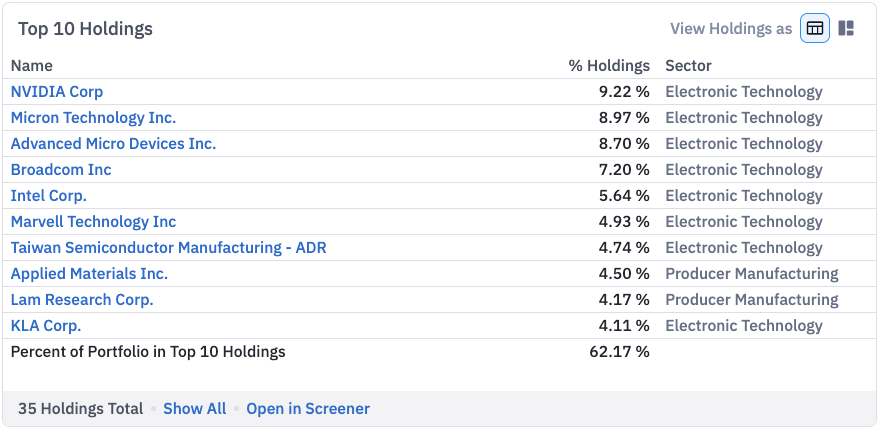
Semiconductors is the oil of the new economy. There is no cloud, no AI, no robots, no space, no quantum, and no biotech without semiconductors.
SOXX and SMH are the biggest semiconductor ETFs by average volume. I prefer SOXX over SMH due to the overweight in NVIDIA that SMH has (>22%).
If you have to take only one ETF from this group, take SOXX. There is no other sector more foundational to the new economy other than semiconductors.
UFO: Procure Space ETF
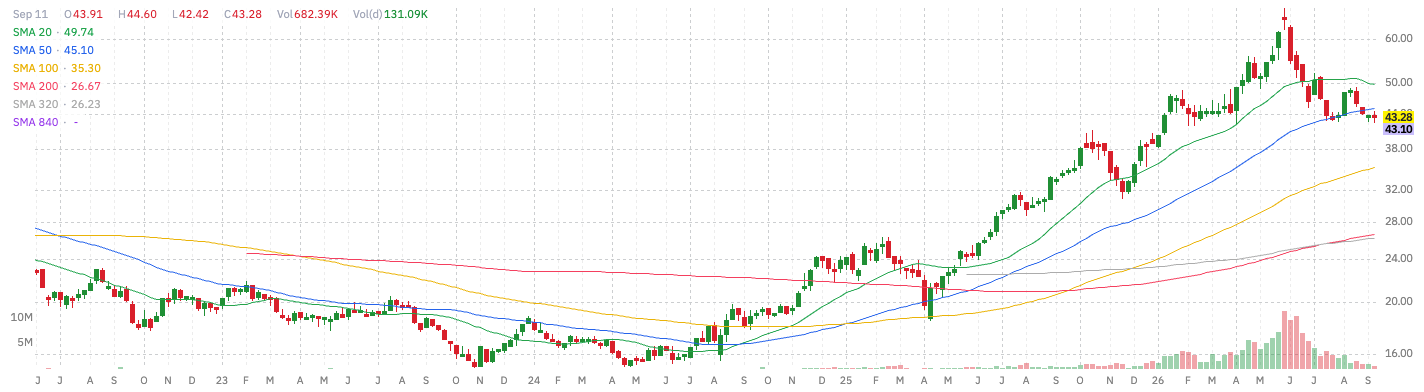
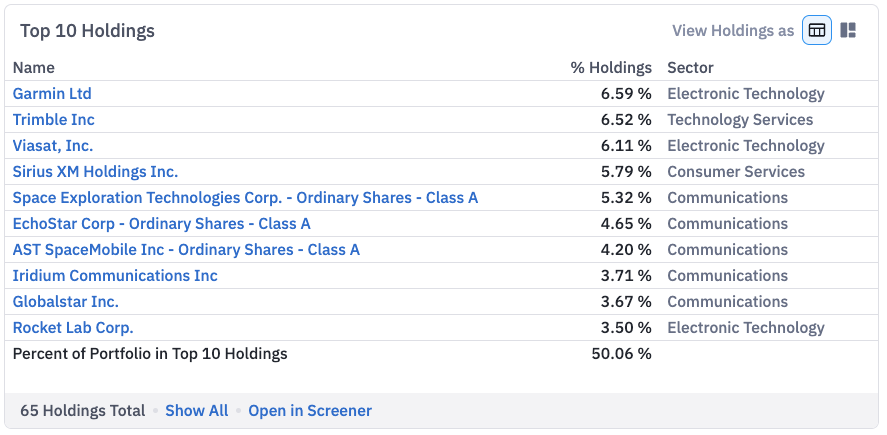
Space economy started with “only” satellites. Satellites for communications and military purposes, weather monitoring and earth observation. Then we evolved to navigation (GPS), broadband internet services (StarLink), and high definition image and infrared maps (Planet Labs). Soon, we will enable human spaceflights and tourism, data centers, and advance military services. All of this will require management of the space area, debris collection, launch rights, traffic control, etc. In a more distant future we could see the exploitation of the Moon and asteroid mining. It is still early, but undeniably an area of investment and growth.
WARP and ORBX are alternative ETFs to UFO but with a higher concentration in SpaceX and RocketLabs. UFO is balanced distributed along all holdings.
WQTM: WisdomTree Quantum Computing Fund
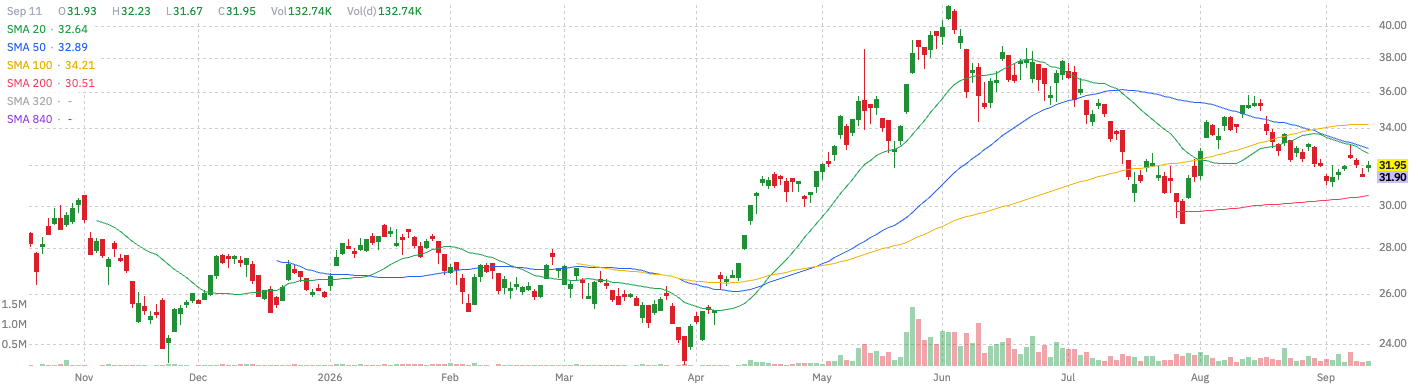
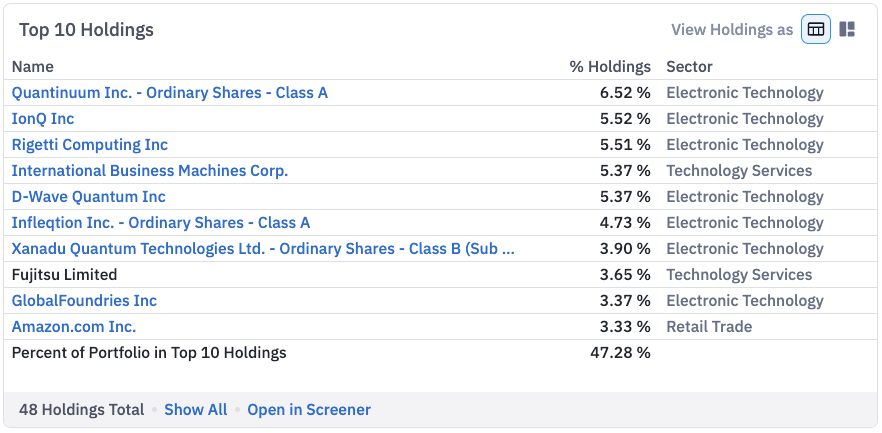
Do not expect a quantum laptop any time soon but quantum computers could offer an acceleration to all themes of the world of tomorrow. It could accelerate biotech, applied AI such as humanoid robots, and the space economy. The ability to simulate complex scenarios with billions of parameters in a short time is a great advantage of quantum computers. I expect these companies to stay relatively small, renting their computers to specific workflows, and over time these super computers will be made more and more available to more companies and institutions around the world. Yet, if I’m building a portfolio for the future, I would like to have some participation in the quantum world, just in case…
XBI: State Street SPDR S&P Biotech ETF
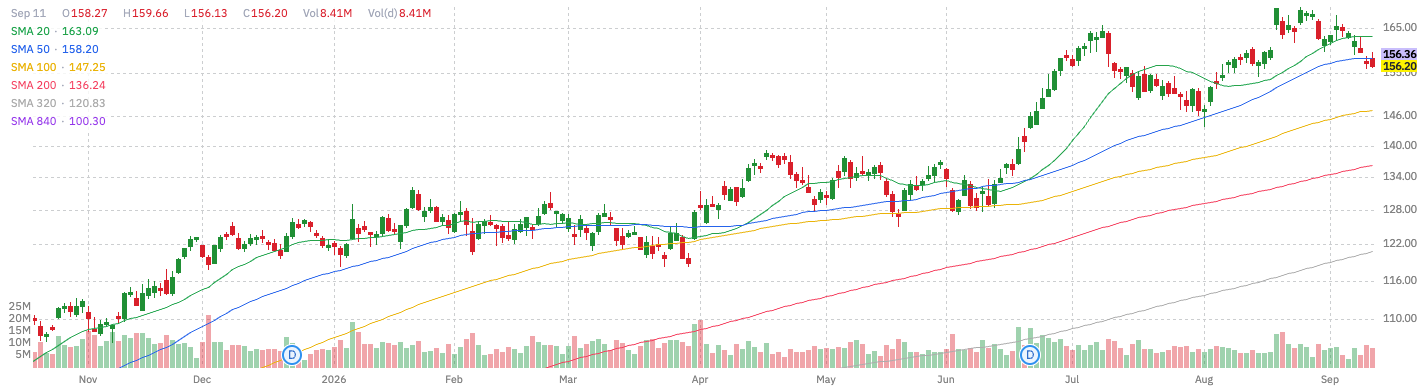
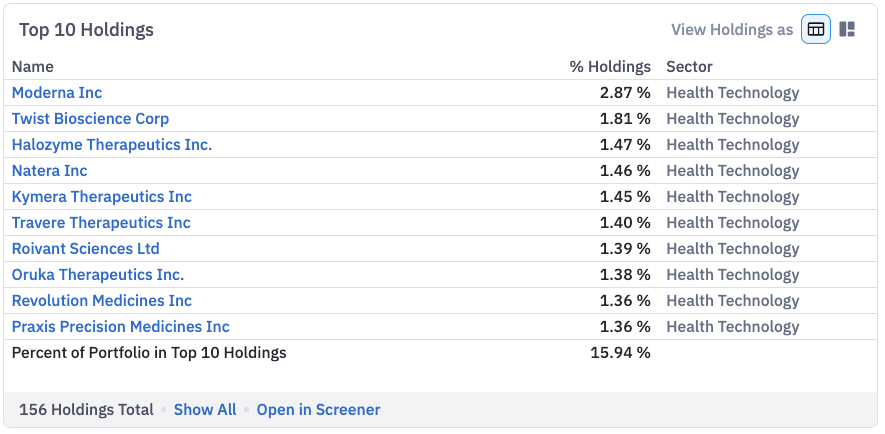
All the previous themes end up in Biotech. Technology for the sake of technology is useless, but when a new drug to improve the life of humans is discovered and perfected by a secured computer, with efficient semiconductors, fed by clean energy, extended with quantum computing, operated 24x7 by a humanoid, everything makes sense. Biotech is the final application of all the other technologies. It is what drives our constant push for innovation.
There are plenty of biotech ETFs in the market. XBI is the one with the highest volume and we can even trade options on it. On top of that it is well balanced, so performance does not depend on a handful of companies.
Disclaimer: The content on AMAT Investing is strictly for educational and learning purposes. The author is not a licensed financial advisor and holds no formal financial education. This post does not constitute professional financial advice. All investing involves risk of loss. Always conduct your own research and consult a licensed professional before making any investment decisions.